7 Lightweight Campfire Cooking Gear Picks for 2026

Last Updated: November 4, 2026
Quick Summary
Lightweight campfire cooking gear for backpacking comes down to choosing a grill that packs flat and a fire pan only when the trip justifies the weight. A fire pan like the CampFire Portable Fire Pit weighs about 9 pounds complete, so it suits trips where you cook over coals more than once. Always check current fire rules first, since bans and pan requirements change yearly.
- The CampFire Portable Fire Pit weighs about 9 pounds complete, built from 16-gauge steel.
- The AdjustaGrill Stake Grill weighs about 9 pounds and packs flat with its canvas bag.
- Grand Canyon National Park requires a metal fire pan of at least 300 square inches with a fire blanket.
- Middle Fork of the Salmon requires a fire-resistant pan with at least 144 square inches of fire surface.
- Check current fire restrictions before you pack, because burn bans can change quickly with weather.
Table of Contents
- Why Campfire Cooking Still Makes Sense on the Trail
- What Makes Campfire Cooking Gear Lightweight
- Campfire Cooking Techniques That Save Weight
- How to Choose a Fire Pan That Meets Current Rules
- Stake Grill vs. Other Swivel Grills in Our Experience
- Fire Safety, Cleanup and Leave No Trace Basics
- Packing Your Campfire Kit for Your Next Trip
- Frequently Asked Questions
Campfire cooking has been around a lot longer than backpacking stoves, and for a lot of trips it still makes more sense. A fire needs no fuel canister to carry, and it gives you the heat you actually want for a Dutch oven or a skillet. The catch is that the gear has to be light enough to carry and sturdy enough to survive a few seasons of use.
Why Campfire Cooking Still Makes Sense on the Trail
A stove is convenient, but a fire lets you cook with the tools you already need to stay warm. You don't have to carry a fuel canister, and you don't have to worry about a stove failing in the cold. The downside is that fire depends on local rules, available wood and the weather, so you need to plan for each trip. Good campfire cooking gear makes that planning easier.
What Makes Campfire Cooking Gear Lightweight
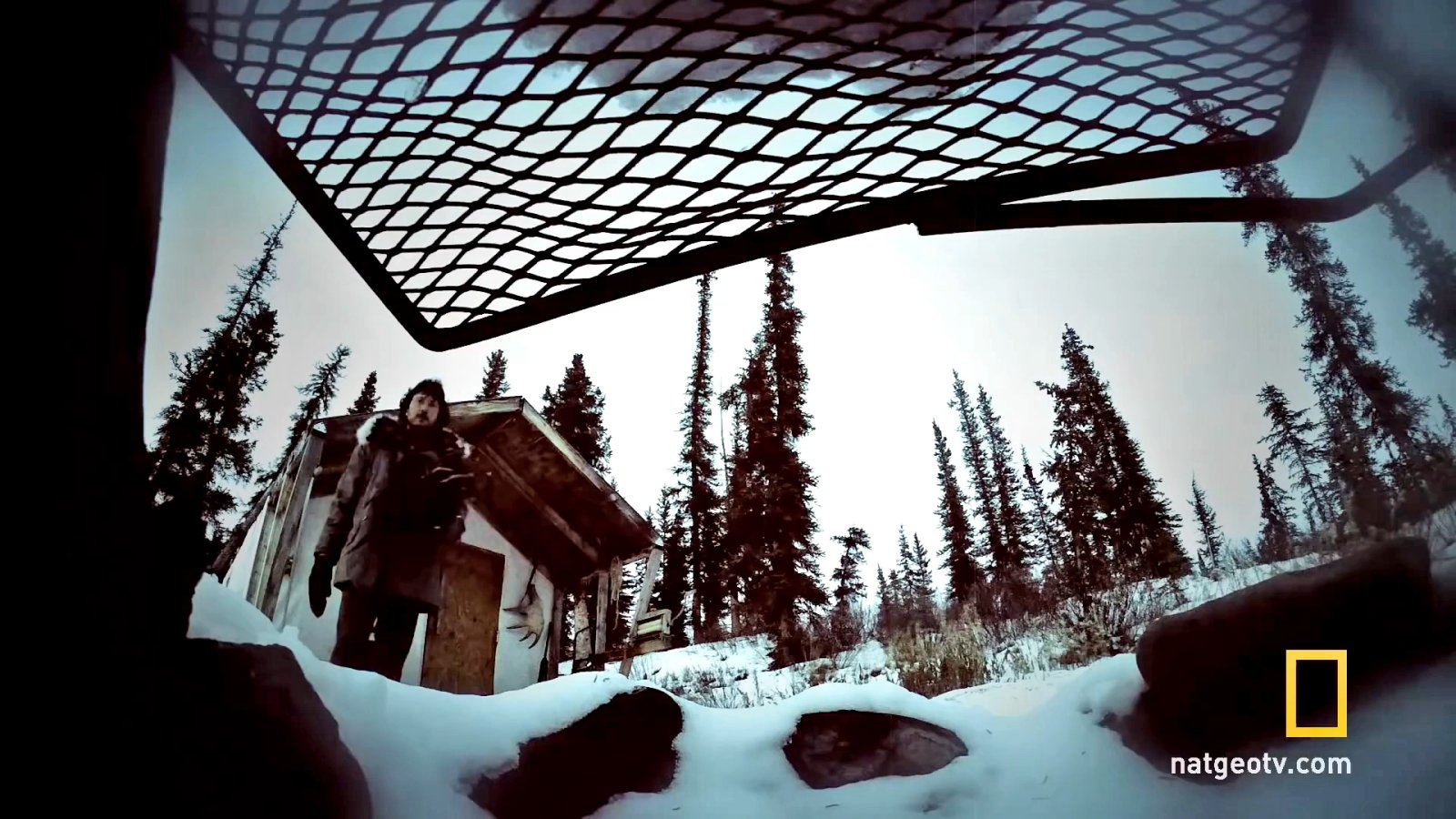
Weight in campfire gear comes from three places: the grate or grill, the fire pan, and the tools you carry to manage the fire. The campfire side is where much of the carried weight hides, so it helps to know what each piece actually adds to your pack.
The carried weight of a campfire kit
A fire pan is the heaviest single item in most campfire setups. Our CampFire Portable Fire Pit is built around the pan specifications used on permitted wilderness rivers, so you can check it against current rules.

A stake grill is the other anchor item. The AdjustaGrill Stake Grill weighs about 9 pounds, with a 13-gauge expanded diamond mesh grate and a solid 5/8-inch tapered carbon steel stake about 23 inches long.
Packed size matters as much as scale weight
A rigid grate that will not lay flat wastes pack space even if it is light. The Stake Grill packs up small and flat.
Our CampFire Portable Fire Pit has riveted folding legs and a stainless steel mesh floor held in with stainless steel grommets, in a pan about 24 x 16.5 inches with 3.25-inch walls.
Where the weight trade-offs actually land
Light metals save ounces but can warp if you overheat them. The practical rule: buy the lightest gear that still holds up to direct heat, and accept that a light item that fails halfway through a trip costs you more than the weight it saved.
Watch out: a grate that warps out of level will roll round foods toward the fire, so check that your cooking surface stays flat after a few hot cooks.
What to leave at home
Every piece you do not carry is weight saved. The Stake Grill handles Dutch ovens and cast iron, and flipping the grate upside down makes a half-inch lip that holds hot dogs and brats, so one item covers several jobs. Keep your fire tools to a shovel, a pair of gloves, and a fire blanket, and skip anything that only does one thing. For more basic setup and technique guidance, see our beginner campfire cooking accessories article.
Campfire Cooking Techniques That Save Weight
You don't need heavy equipment to cook well over a fire. Most of the work is in how you manage the heat.
Managing Heat Without a Grate Full of Coals
Build your fire to the size you need, then let it burn down to a bed of coals before you start cooking. Flames scorch food, while coals cook it evenly. Raise or lower your grate to adjust the distance from the heat, so you can cook faster or slower without moving the pot.
Dutch Oven and Cast Iron on the Trail
A Dutch oven is heavy, but it's one of the most useful pieces of campfire gear you can bring. Set it on a bed of coals and put a few more coals on the lid to get even heat from the top and bottom. Cast iron works the same way. Keep the lid and pan dry between uses, and oil them lightly to prevent rust.
How to Choose a Fire Pan That Meets Current Rules
Fire rules are the part of campfire cooking that most gear guides skip, and they are the part that decides whether your gear is useful at all. Before you pack a pan or a grill, answer three questions: is a fire allowed, is there wood, and is a fire pan required.
Start with the fire ban, not the gear
Check current fire restrictions for the area you are entering, and check again close to your trip date, because burn bans can change quickly with weather. A ban can cover open flames, charcoal, or both, and it can apply to an entire forest or a single canyon. If a ban is in place, leave the campfire gear at home.
Decide whether a fire pan is required
Many wilderness areas require a fire pan, and the rules differ from one area to the next. Two verified examples show how much they vary:
- Grand Canyon National Park, revised December 2024: a metal fire pan of at least 300 square inches, a 3-inch lip on all sides, elevated on manufactured legs, and a fire blanket required under the pan.
- Middle Fork of the Salmon, managed by the Forest Service: a fire-resistant pan with at least 144 square inches of fire surface, sides at least 2 inches high, and a fire blanket required.
Those are two different sets of numbers for two different rivers. Read the rule for your specific area and measure your pan against it before you go. Rules change yearly, so check the current requirements before you launch.
Match the pan to the trip
Our CampFire Portable Fire Pit is a 16-gauge black powder-coated steel pan, about 24 x 16.5 inches with 3.25-inch walls, riveted folding legs, and a stainless steel mesh floor held in with stainless steel grommets. It weighs about 9 pounds complete. The mesh holds coals and embers, and only fine ash passes through, so always use it over a fire blanket. It was designed around the pan specifications used on permitted wilderness rivers. A solid 24-gauge steel floor is available by special order if you prefer a closed pan.
Use established rings when they exist
If a designated fire ring is provided, use it instead of building a new fire. A ring concentrates the fire, keeps ash in one place, and leaves less scarring. If no ring exists and a pan is required, set the pan on level, stable ground away from overhanging branches, with a fire blanket underneath.
Judge whether there is wood to burn
A campfire setup only works if you can gather dead and downed wood legally and find enough of it. Wet conditions, high altitude, and heavily used sites can all leave you with nothing dry to burn. If wood is scarce or gathering is prohibited, a fire pan and grill become dead weight. Check the rules on wood collection along with the fire rules, and plan your cooking around what is actually available.
Know when a campfire is the wrong call
A campfire is the wrong choice when a ban is in effect, when wood is scarce or wet, when you are above tree line, when you are moving fast and light, or when the site is heavily used and low-impact practice matters more than a fire.
Watch out: a fire blanket under the pan is required in both of the examples above, and it is cheap insurance against scorching the ground beneath you.
Stake Grill vs. Other Swivel Grills in Our Experience
A swivel grill lets you move food away from the fire without picking up the pot. The AdjustaGrill Stake Grill uses a support bar that slides the 16 x 16 inch grate up and down level, so you control heat without losing food.

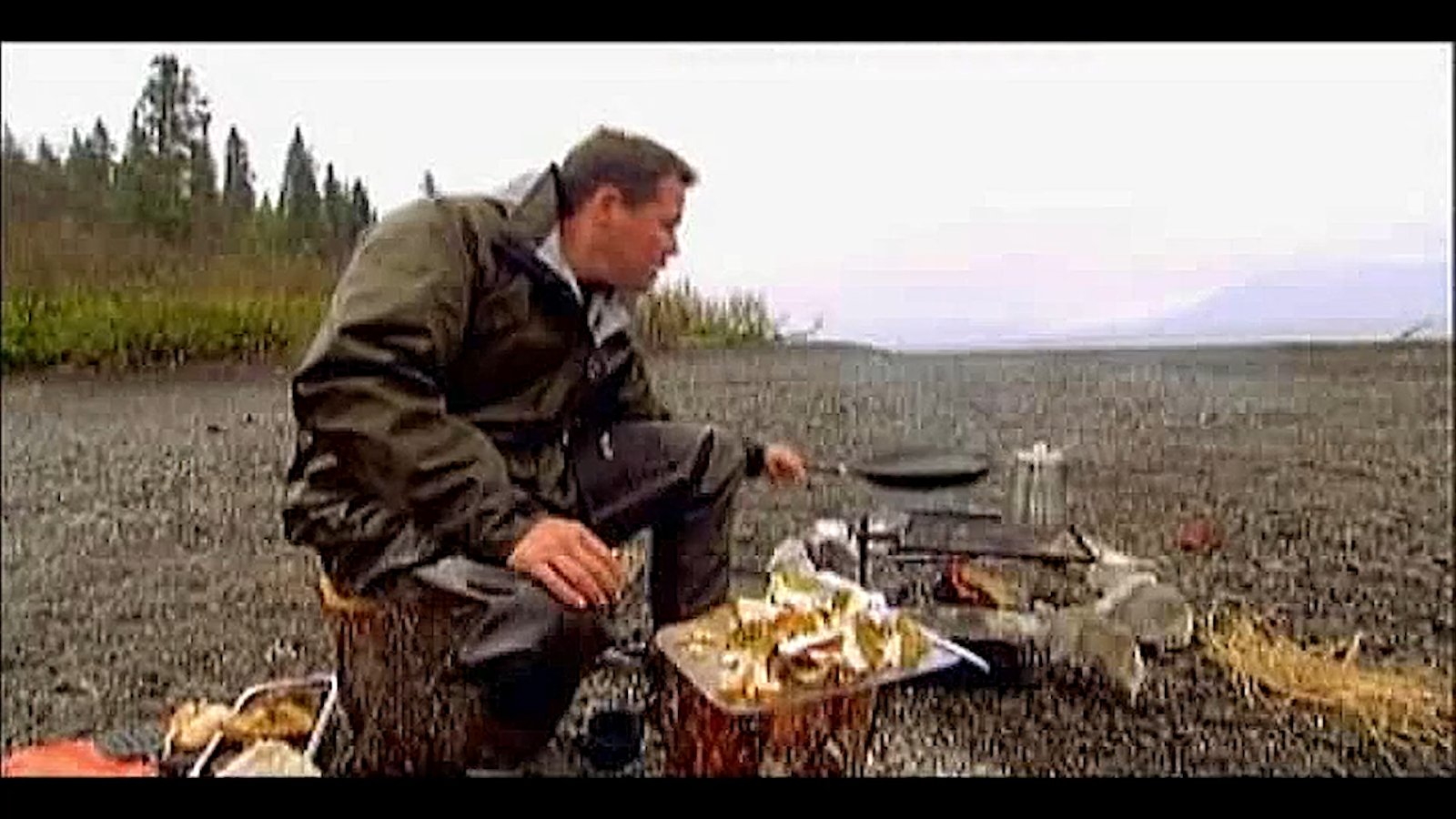
The stake is a solid 5/8-inch tapered carbon steel, about 23 inches long. You can see the full Stake Grill specs and stake details on its product page.
The VEVOR look-alike uses a hollow 1 1/4-inch tube for its stake. In our experience, a wider tube has to be driven in noticeably further than our solid stake.
Fire Safety, Cleanup and Leave No Trace Basics
Never leave a fire unattended, and keep water and a shovel close by. Check local fire restrictions before you build anything, since burn bans can change quickly. Put the fire out completely, stirring the ashes and soaking them until they are cool to the touch. Pack out any trash, and scatter cooled ash away from the site.
Fire rules change often, so a quick check before you pack can save you a lot of trouble.
| Fire requirement | Grand Canyon NP (rev. Dec 2024) | Middle Fork of the Salmon (Forest Service) |
|---|---|---|
| Fire pan size | At least 300 sq in | At least 144 sq in of fire surface |
| Pan sides | 3-inch lip on all sides | Sides at least 2 inches high |
| Pan type | Metal, elevated on manufactured legs | Fire-resistant pan |
| Fire blanket | Required under the pan | Required |
Packing Your Campfire Kit for Your Next Trip
Start with the heaviest items and pack them closest to your back. The Stake Grill packs flat, and the included canvas bag doubles as a pot holder. Keep your fire pan, fire blanket and fire tools together, so you can set up quickly at camp. Test your kit at home first, especially the grill setup, so you aren't learning it on the trail.
Happy Campers!
Frequently Asked Questions
What is the best material for lightweight campfire cooking gear?
Stainless steel and carbon steel handle direct fire well, though they weigh more than titanium or aluminum. Titanium is the lightest option but costs more and can discolor over open flame. Aluminum is light and cheap but dents easily and can warp under high heat. For campfire work, choose a material that tolerates soot, heavy heat and rough handling, then decide how much weight you can accept. Our stake grill uses a 13-gauge expanded diamond mesh grate and a solid carbon steel stake, weighing about 9 pounds.
How do you manage heat when cooking over an open campfire?
Control heat by changing the distance between the food and the coals, not by feeding the fire more wood. Let the fire burn down to a bed of coals before you cook, since flames scorch food fast. Raise the grate when you need gentler heat and lower it when you need a hard sear. A support bar that slides the grate up and down level lets you adjust without tilting food toward the fire. Keep a spare pot or lid nearby to shield food from flare-ups, and move the pan off the heat when something starts to burn.
Is cast iron too heavy for backpacking trips?
For a solo trek where every ounce counts, cast iron is usually too heavy. For car camping, base camps, or trips where you carry a group kit, a single cast iron skillet or Dutch oven pays off in even heat and durability. A compromise is to bring one cast iron piece for the camp meal and pack lighter aluminum or stainless cookware for the rest. Dutch ovens handle the job well, and they cook reliably over coals without much fuss.
How do you keep your campfire cooking gear clean in the wilderness?
Scrape soot and food residue off while the gear is still warm, using a stick, a stiff brush or a bit of sand. Wash with hot water and a small amount of biodegradable soap, and pack the dirty water out or scatter it well away from streams, following your local backcountry rules. Dry everything completely before packing to prevent rust on carbon steel and cast iron. Re-season cast iron with a thin coat of oil after cleaning to keep it from rusting.

Leave a comment